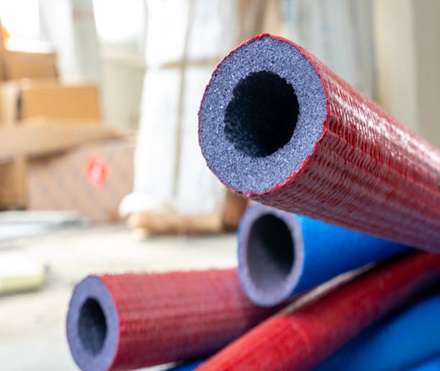
Cross-linked polyethylene (XLPE) is a high-performance thermoplastic widely used in industries requiring durability, chemical resistance, and superior insulation. ATP Polymer Technology, a global leader in polymer compounds, offers tear-resistant XLPE engineered for demanding applications in cables, automotive wiring, and industrial uses.
This guide covers what XLPE is, its key applications, chemical resistance, comparisons with other polyethylene materials, and why ATP's XLPE stands out.
Cross-linked polyethylene (XLPE) is a thermoset material created by chemically or physically bonding polyethylene chains. The cross-linking process enhances:
Higher temperature resistance (up to 90°C–105°C).
Improved mechanical strength & tear resistance.
Superior electrical insulation properties.
Enhanced chemical and UV resistance.
XLPE is widely preferred over conventional PE (such as HDPE and LDPE) due to its stability in high-stress environments.
ATP's tear-resistant XLPE undergoes advanced formulation, ensuring compliance with CPR (EU), GB31247 (China), and other international safety standards.
Electrical & Telecommunication Cables
High-voltage power cables (due to superior insulation).
5G/optical fiber cables (flexibility + flame retardancy).
Automotive & New Energy Vehicles (NEVs)
EV battery wiring (heat resistance & low smoke emission).
Charging cables.
Industrial & Infrastructure
Rail transit & aerospace wiring.
Building wiring & smart grids.
Medical & Consumer Electronics
Medical tubing & equipment insulation.
Wearable tech & robotics.
ATP's XLPE is engineered for harsh conditions, including extremes of temperature, abrasion, and chemical exposure.
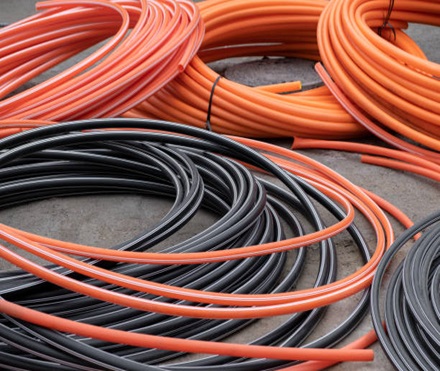
XLPE exhibits exceptional resistance to:
Acids, alkalis, and solvents.
Oils & fuels (ideal for automotive applications).
UV & ozone degradation (suitable for outdoor use).
Compared to HDPE & LDPE, XLPE maintains structural integrity even when exposed to harsh chemicals—making it ideal for:
Chemical industry piping.
Underground & submarine cables.
Medical sterilization processes.
ATP's tear-resistant XLPE undergoes rigorous chemical stability testing in CNAS-certified labs.
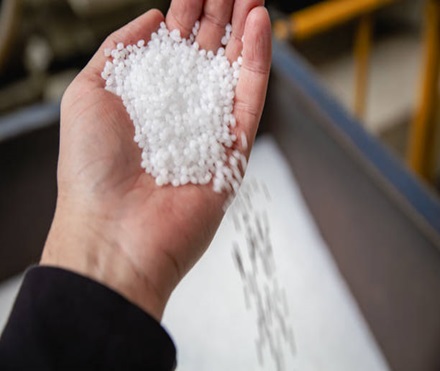
Performance Comparison (Key Differences)
Property | XLPE | HDPE | LDPE |
Temperature Resistance | Up to 105°C (long-term) | Up to 80°C | Up to 60°C |
Tensile Strength | High | Moderate-High | Low |
Chemical Resistance | Excellent | Good | Moderate |
Flexibility | Semi-rigid | Rigid | Very flexible |
Primary Uses | Power cables, automotive, medical | Pipes, containers, packaging | Plastic bags, films, coatings |
XLPE is the best choice for: High-stress insulation, extreme heat, and chemical exposure.
HDPE/LDPE are better for: Packaging, low-cost tubing, and general plastics.
ATP's XLPE is optimized for tear resistance, outperforming conventional PE materials in durability and flame retardancy.
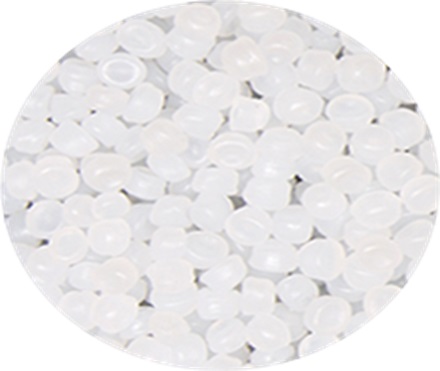
Superior Mechanical Strength
Resists cuts, abrasion, and installation stress.
ATP's enhanced molecular structure prevents premature cable failure.
CPR & Flame Retardancy Compliance
Meets EU CPR (EN 50575) & GB31247 standards.
Low smoke, zero halogen (LSZH) options available.
Long-Term Reliability
30+ years lifespan in underground & underwater cables.
ATP's R&D expertise ensures material consistency.
Custom Solutions for High-Tech Industries
Used in military, aerospace, and EV battery systems.
ATP's CNAS-certified lab provides third-party validation.
For industries where failure is not an option, ATP's tear-resistant XLPE delivers unparalleled performance.
XLPE outperforms standard polyethylene in heat resistance, mechanical durability, and electrical insulation. Whether for power cables, medical tubing, or EV components, ATP Polymer Technology's tear-resistant XLPE ensures reliability and regulatory compliance.